Neurodiversity in the Workplace
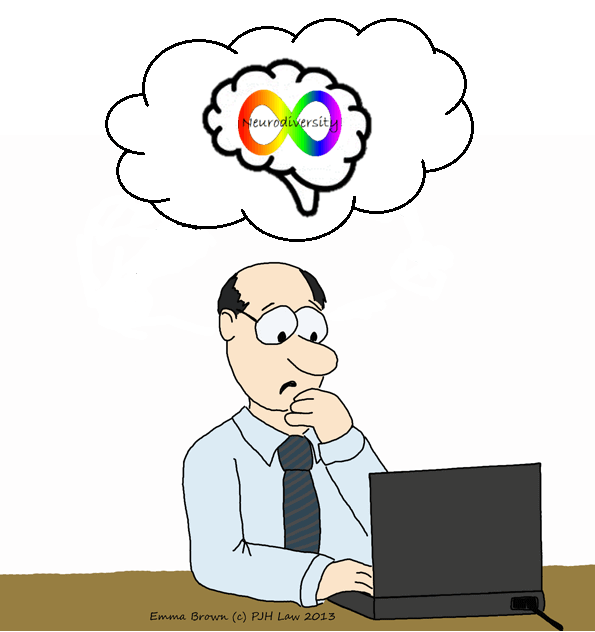
Employment Tribunals have alleged there were more than 100 neurodiversity discrimination claims in 2022 that cited dyslexia, autism, ADHD, dyspraxia, and Asperger’s. Neurodiversity describes the different ways people’s brains process information.
Workplace disputes can arise when neurodivergent employees feel their performance or behaviour is being rated unfairly for reasons relating to their condition. If an employee is underperforming it becomes a capability issue. For neurodivergent employees this can often be avoided if workplace adjustments are implemented.
It’s important to understand if people who are neurodiverse in your workplace are having their needs met, or if more support can be offered. People who are neurodiverse do not always identify as being disabled so there’s often a gap in their needs being disclosed.
Flexibility and reasonable adjustments can go a long way in supporting your neurodiverse employees such as offering different equipment and quieter workspaces. Mandatory networking which involves heavy socialising can be overwhelming and cause anxiety. It’s important to create an open workplace culture, provide regular training to promote understanding, and have specific policies in place. Ask your neurodiverse employees what they need, listen to them, and take it on board.
![Rentokil Initial UK Ltd v Miller [2024]](https://pjhlaw.co.uk/wp-content/uploads/2026/06/Elvie-3.png)