Madden v Commissioner of the Metropolitan Police
Is telling making inappropriate comments about your line manager’s WhatsApp photo gross misconduct?
The recent case of Madden v Commissioner of the Metropolitan Police has highlighted some common issues with disciplinary investigations and neurodiversity-related conduct dismissals.
Mr Madden was a Quality Control Officer with the Met Police. (He was a civilian employee, not a constable, so can claim unfair dismissal)
He had over 22 years’ service with the Met and had been diagnosed with ADHD, generalised anxiety disorder and dysphoria which caused him to have difficulty in having social interactions.
The Met received several complaints about Mr Madden from female colleagues. This included:
- Telling his female line manager that her WhatsApp photo “always makes me smile when I see your face” and that when preparing for meetings he would ensure he “got it up for her”
- When a female colleague asked if he was playing video games whilst absent from work, he replied with “you can’t beat a good old play with myself on my joystick”
- Making lewd comments about a colleague’s teenage cheerleading photos.
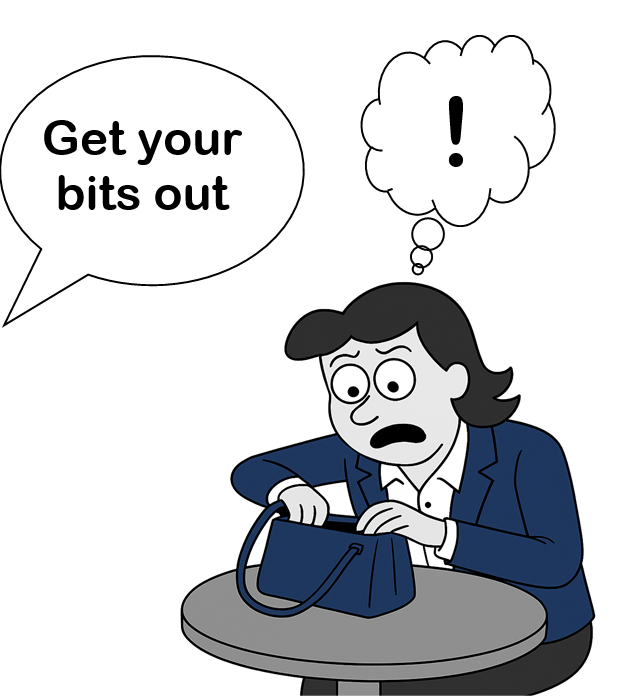
- Yelling “get your bits out” to a female colleague looking for something in her handbag.
- Commenting on female colleagues clothing choices.
These issues were made aware to the Respondent over a period of time but bundled together in one investigation.
Some of these messages were sent outside of work on personal social media.
The Respondent started a disciplinary investigation against the Claimant and made no adjustments or considerations for his disabilities.
The Claimant stated that his behaviour was linked to his disabilities which caused him to struggle with social interactions. He also accepted responsibility for his actions, and offered to apologise.
The Claimant was dismissed but the dismissal letter did not consider his psychiatric report or a letter he provided for the hearing. The outcome letter also stated that the behaviour was gross misconduct as it could cause the Respondent reputational damage.
The Claimant started claims for unfair dismissal and disability discrimination.
The tribunal upheld the claims. It found that there were substantive defects in the disciplinary process as key documents had not been considered. Likewise the allegation of reputational damage did not tally with any reputational damage caused.
The Claimant’s comments were linked to his dismissal and as a lesser sanction such as training and a warning were not considered, this was discriminatory.
What can HR do to prepare for this?
This case serves as a reminder for employers to ensure that all documentation is considered in disciplinary outcomes, along with lesser sanctions. Doing so will often ensure that a dismissal is both procedural fair and within the range of reasonable responses.
By not giving weight to such documents the Respondent in this case also allowed the disciplinary to be discriminatory. Employers who ignore evidence or subsmiions will fall into this same trap.
Need help?
At PJH Law we specialise in Employment Law, feel free to call our office on 01780 757589 or visit our website to get in touch!