Foat v Department for Work and Pensions – Can benefits reduce Tribunal compensation? This case says yes.
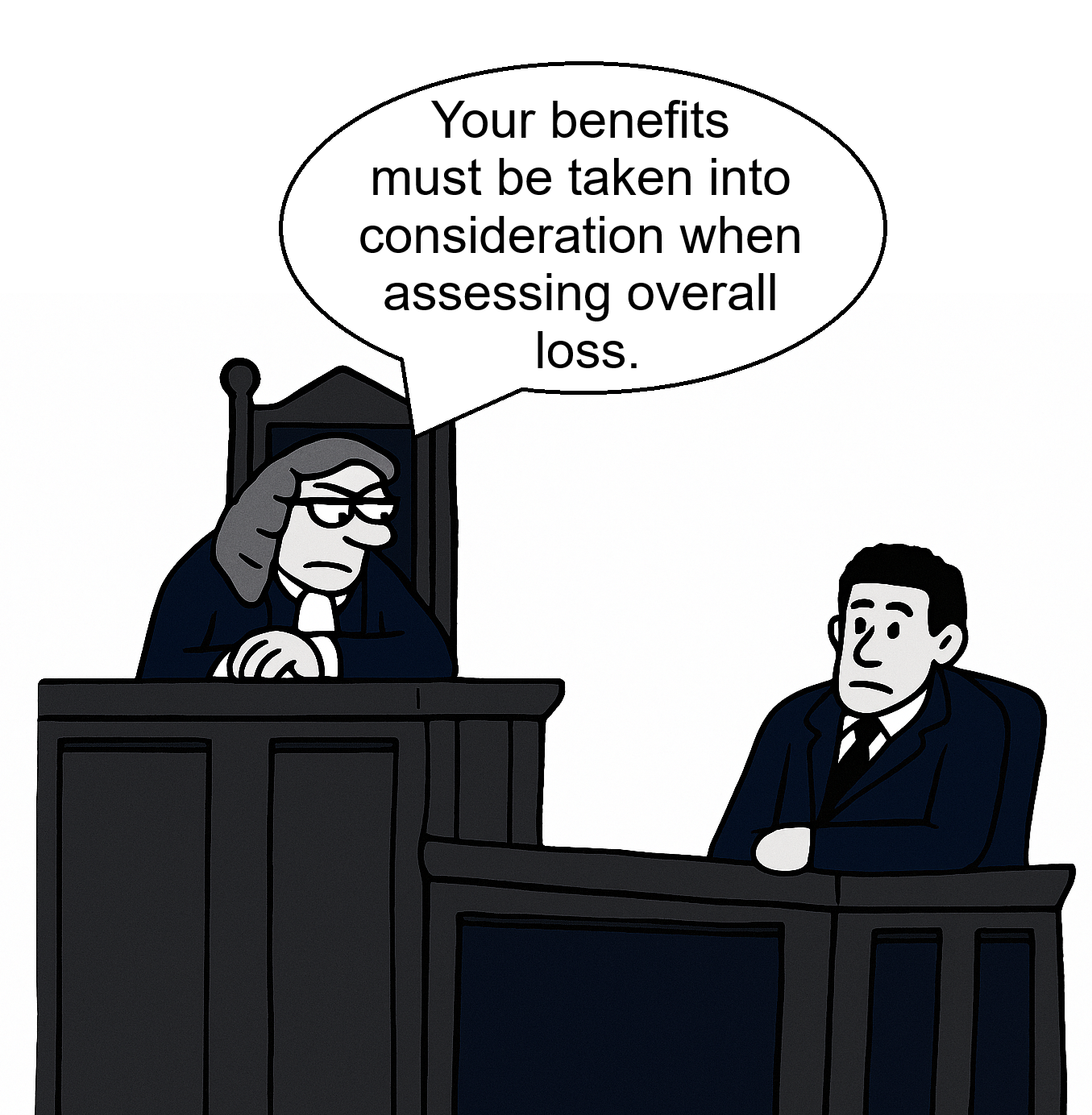
“I received benefits because of my injury so they shouldn’t reduce my compensation.”
Not quite, said the Employment Appeal Tribunal.
This week’s case shows how Tribunals approach compensation and ‘double recovery’ and why claimants can’t recover losses twice, even where different types of payments are involved.
In Foat v Department for Work and Pensions, an employee succeeded in claims for disability discrimination and constructive unfair dismissal. He was awarded substantial compensation over £370,000 at Tribunal level.
The key issue: can benefits reduce compensation?
The claimant argued that:
- His Personal Independence Payment (PIP) was for care and mobility needs
- It was not linked to loss of earnings
- So it should not be deducted from his compensation
Why the Tribunal disagreed
The Tribunal confirmed:
- Compensation aims to put the claimant in the position they would have been in but for the wrongdoing
- The claimant only received PIP because of the employer’s unlawful conduct
- Therefore, it must be taken into account when assessing overall loss
In short:
You cannot recover full compensation and keep a benefit that arose from the same harm.
Even though PIP is not an earnings-replacement benefit, it was still causally linked to the injury and so deductible.
Another important point: you must claim your losses
The claimant also argued:
- He had care needs that weren’t claimed
- So PIP should effectively “offset” those instead
The Tribunal rejected this:
- You can only be compensated for losses you actually claim and prove
- The Tribunal won’t assume additional losses to avoid deductions
That mistake was corrected, reducing the award by around £38,000.
The takeaway:
- Compensation is about net loss
- Benefits received because of the employer’s wrongdoing may be deducted, even if they aren’t directly earnings-related
- If a claimant wants to rely on certain losses (like care), they must clearly claim and evidence them
- Small calculation errors (like gross vs net pay) can have major financial consequences
Question for employers:
If a Tribunal reviewed your compensation calculations tomorrow, would they stand up to this level of scrutiny?

![Van Vliet v Footlaffs Ltd [2026]) – HR Lessons from a £32,000 Menopause Discrimination Claim](https://pjhlaw.co.uk/wp-content/uploads/2026/09/Menopause-Discrimination.png)