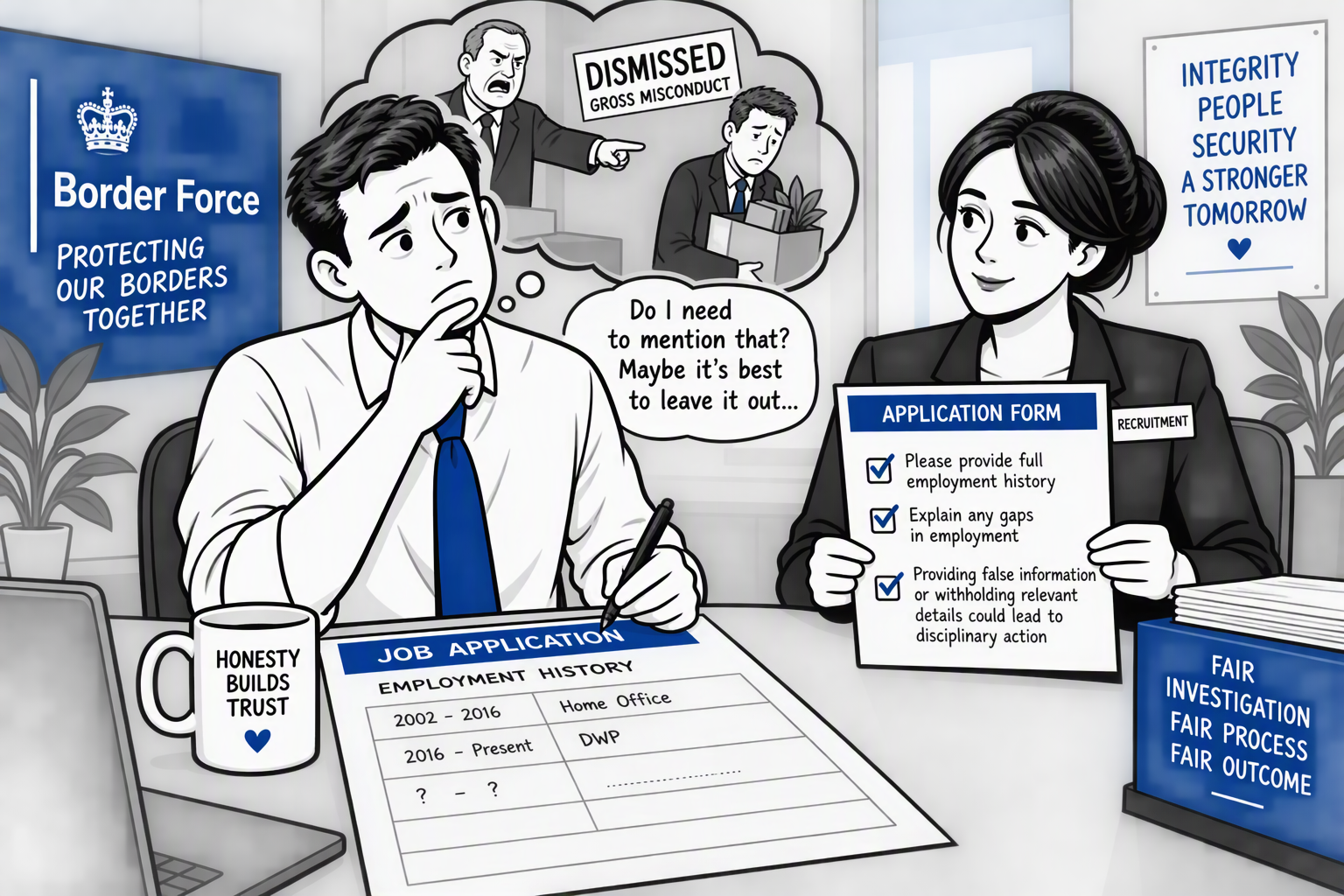
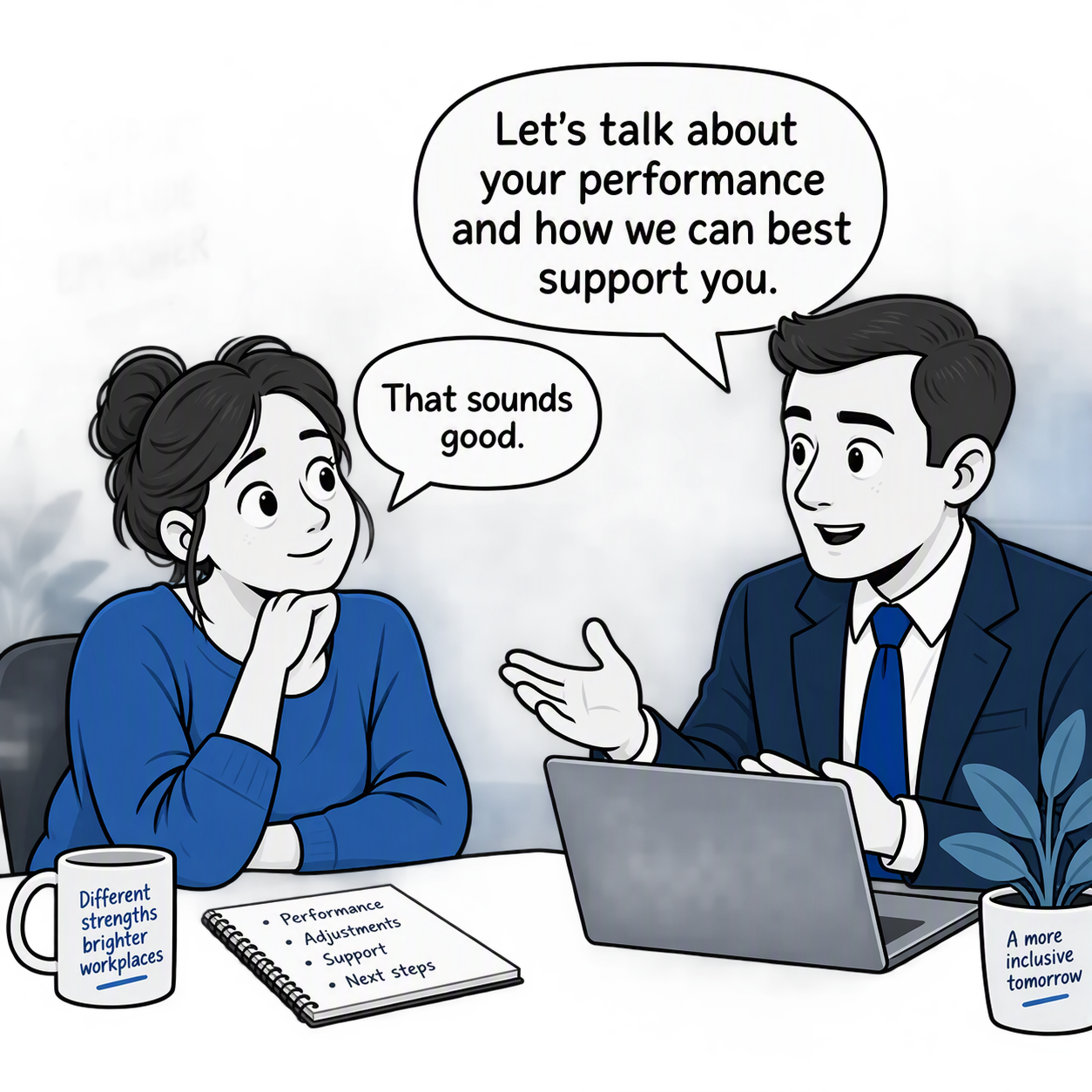
Burns v Gitpod GmBH (2026) – Can company culture put disabled employees at a disadvantage?

Can company culture be a PCP?
What happened?
Ms Burns was a senior technology executive with ADHD and dyslexia. She worked for Gitpod, a software company that was later acquired by OpenAI.
The case has attracted headlines because she allegedly lost her job after spending a night sleeping in a sauna during a work trip and is now pursuing compensation reportedly worth £76 million.
However, the real lesson for employers is much more interesting.
Gitpod operated a highly written working culture. Employees were expected to communicate, collaborate and manage their work primarily through written channels. Ms Burns argued that this put her at a disadvantage because of her ADHD and dyslexia.
When concerns were raised about her performance, she argued those issues were linked to her disabilities and that reasonable adjustments had not been made.
The Tribunal agreed.
What’s a PCP?
A Provision, Criterion or Practice (PCP) is simply a rule or way of working.
In this case, the PCP was arguably not a policy at all. It was the company’s culture. Employees were expected to absorb large amounts of written information, manage their own workload and communicate primarily in writing.
Lessons for HR
- Company culture can be a PCP.
- Performance concerns may be a symptom of an unmet reasonable adjustment need, not a capability issue.
- The most obvious PCPs are often hidden in plain sight. “This is just how we do things” can be exactly the practice that puts a disabled employee at a disadvantage.