Bibescu v Clare Jenner Ltd – “I raised concerns, so my dismissal must be whistleblowing.”
“I raised concerns, so my dismissal must be whistleblowing.”
Not quite, said the Employment Appeal Tribunal.
This week’s case shows how Tribunals separate genuine whistleblowing from ordinary performance management and how important the worker’s belief really is.
In Bibescu v Clare Jenner Ltd t/a Jenner’s, an accountant was dismissed shortly after raising concerns about a contractor’s professional status. She said this was whistleblowing and that her dismissal was automatically unfair.
She had discovered that:
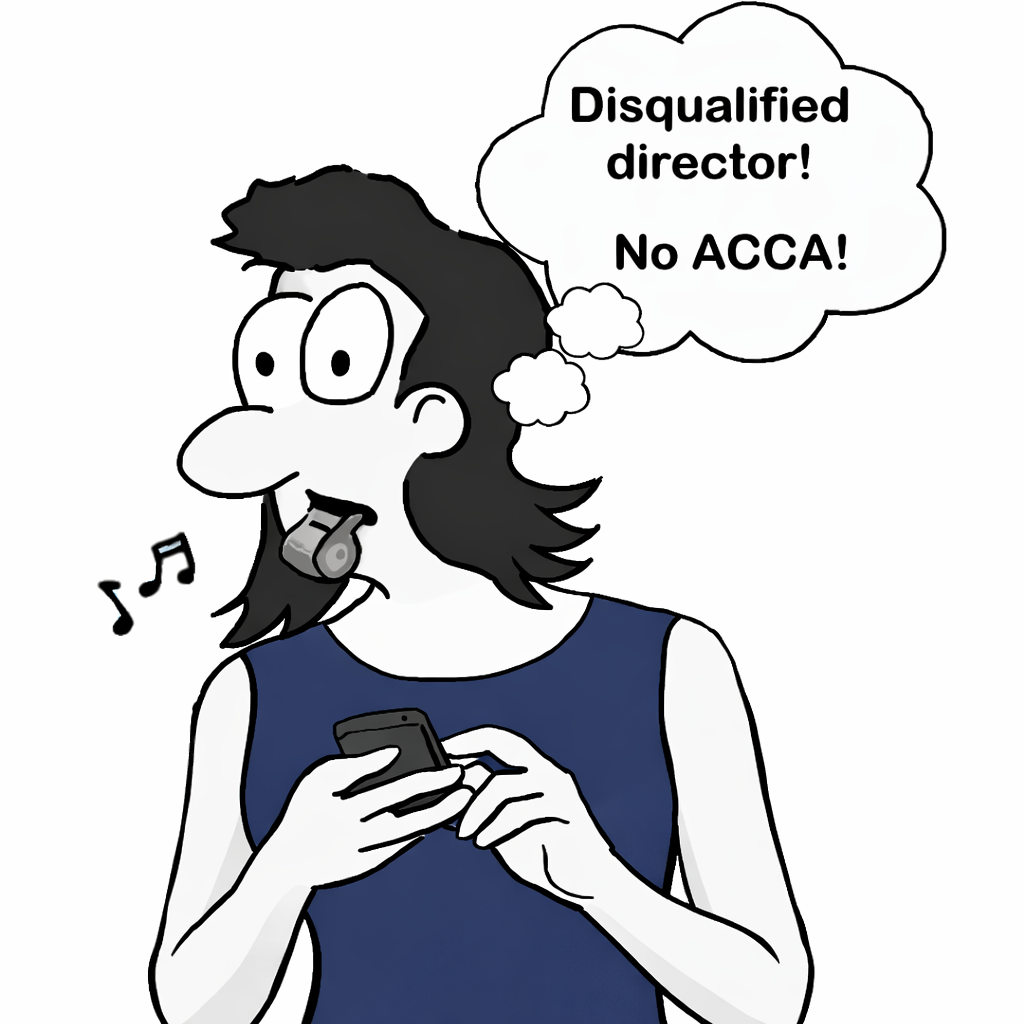
- The contractor was disqualified from being a director.
- He was not ACCA-qualified.
She raised this with her employer.
Three days later, she was dismissed.
Why the Tribunal rejected the dismissal claim
The Tribunal found that:
- Her work had been criticised for months before she raised any concerns.
- There were repeated mistakes and conflict with colleagues.
- The dismissal was because of performance and working relationships, not the disclosure.
So her automatic unfair dismissal claim failed.
But the Appeal Tribunal identified a legal error
When deciding whether her disclosure was protected, the Tribunal:
- Focused on whether it was in the public interest, instead of
- Whether she believed it was, and whether that belief was reasonable.
That is the wrong legal test.
As a result, the whistleblowing detriment claim has been sent back to a fresh Tribunal.
The takeaway
Whistleblowing protection depends on what the worker believed at the time, not just what a Tribunal thinks later.
Dismissal claims will fail if employers can show a genuine, documented reason unrelated to the disclosure.
Would your records clearly show the real reason for dismissal if a whistleblowing claim landed tomorrow?