Aecom Ltd v Mallon
Hello and welcome back to our case of the week. Last week we looked at an Ofsted inspector who was dismissed for brushing water off a child coming in from the rain! Those that missed it can find it here. This week, we’re looking at a claim brought against a potential employer for failing to make reasonable adjustments during the application process.
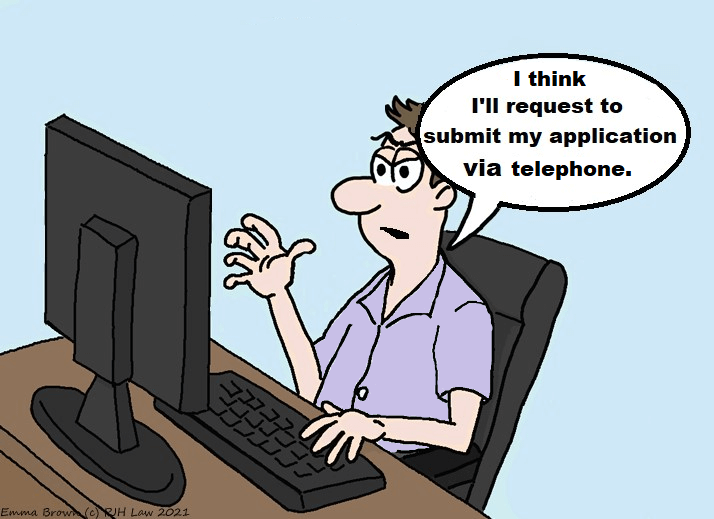
The Claimant, Mr Mallon, was applying for a job vacancy with the Respondent, Aecom LTD, for a consultant role in its research and development team. The application was to be made online by completing a form, but the Claimant requested to make an oral application by telephone instead. The application required candidates to create a personal profile, input their email address and create a password, which the Claimant struggled with due to his dyspraxia. It is important to note the Claimant had previously failed his probationary period with the Respondent and applied for several job vacancies thereafter and had been unsuccessful.
In an exchange of emails, the Respondent’s HR manager asked the Claimant on a number of occasions what his concerns were with completing the form and that the application process required him to complete it online. The Respondent offered the Claimant assistance to complete and submit the form. The Claimant reiterated he preferred to make an oral application. The Claimant never told the Respondent’s HR manager what he was struggling with and neither of them telephoned each other to discuss the application. The Claimant brought a claim to the Employment Tribunal.
The ET found in the Claimant’s favour that the Respondent knew, or ought to have known (having been previously employed) the Claimant was at a substantial disadvantage; if they wanted further clarification of the reasons why he found it difficult to complete the form online, they should have telephoned him. It was also unreasonable to expect him to give an explanation in an email, given he had difficulties with written communication.
The Respondent appealed the decision on the following grounds:
- The Claimant was not at a substantial disadvantage because he was not a genuine applicant as he had previously been dismissed from a similar role in the same team.
- They were not under a duty to make reasonable adjustments because the Claimant failed to explain what difficulties he was experiencing completing the online application.
- The burden should not be placed on an employer to make enquiries as to an employee’s disability.
- It was reasonable for the Claimant to be expected to explain his difficulties by email.
The Employment Appeal Tribunal (EAT) dismissed grounds two and four, but upheld ground one, stating complete information regarding the Claimant’s previous role, and the one he was applying for, was not available to the ET. Therefore the ET could not come to a conclusion as to whether he was a genuine applicant.. The Respondent’s appeal directed back to the ET for further consideration of the evidence as to whether the Claimant was a genuine applicant.
Takeaway Points

Although applicants tend not to be previous employees as persistent as this Claimant who failed his probationary period, this case is a useful reminder to employers of the duty to make reasonable adjustments. It is important to identify where recruitment processes need to be adapted for candidates with disabilities.
If you or someone you know are dealing with any of the issues mentioned above, please contact a member of our team who will be able to assist.