Coming This October: Stronger Employee Protections for Union Members
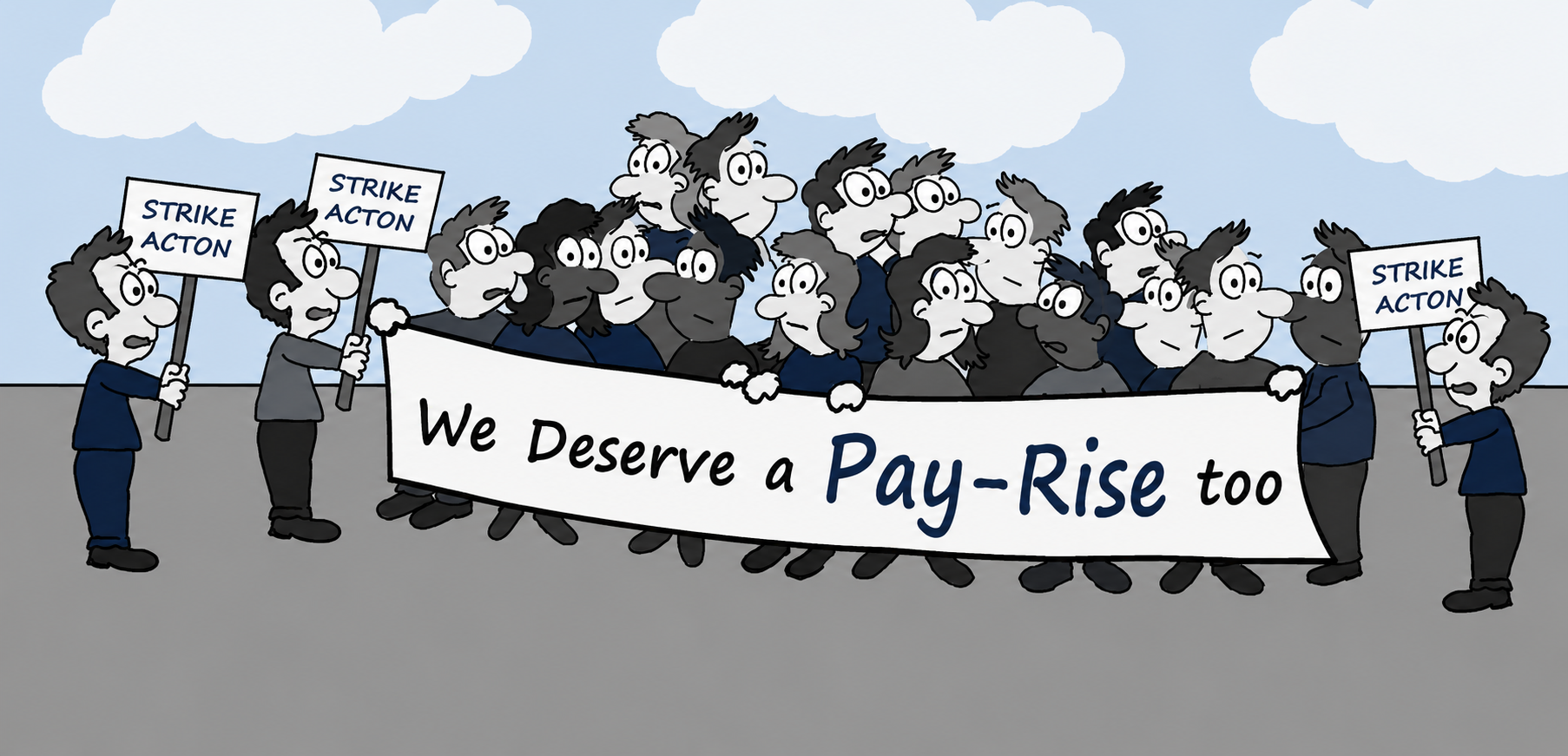
Stronger Protection for Employees Taking Industrial Action
One of the most notable changes arrives on 30 October 2026, when new regulations are expected to come into force prohibiting employers from subjecting workers to detriment because they have taken part in lawful industrial action. This follows concerns that existing legislation did not adequately protect employees from sanctions short of dismissal when participating in strike action.
In practical terms, employers will need to think carefully before taking disciplinary or other adverse action against workers involved in industrial action. The new rules are designed to ensure employees can exercise their rights without fear of being penalised.
A New Duty to Inform Employees of Their Trade Union Rights
From October 2026, employers will be required to provide workers with a written statement explaining their right to join a trade union. This information must be issued alongside the written statement of employment particulars given to new starters.
This change reflects the Government’s wider focus on increasing awareness of workplace rights and ensuring employees are informed from day one of their employment.
More Time to Bring Tribunal Claims
Employees will soon have longer to bring certain employment tribunal claims. From 1 October 2026, time limits for many claims are expected to increase from three months to six months.
For employers, this means potential claims may arise much later than before, making robust record-keeping and document retention even more important.
Existing Trade Union Rights Employers Should Remember
Alongside these upcoming changes, workers already benefit from extensive statutory protections relating to trade union membership and activities. These include:
- The right not to be refused employment because they are, or are not, a trade union member.
- The right not to be pressured into joining or leaving a trade union.
- Protection from unlawful inducements designed to encourage workers to give up union membership, avoid union activities or bypass collective bargaining arrangements.
- The right not to suffer detriment for joining a union, seeking to join a union, participating in union activities at an appropriate time, or making use of union services.
- Protection from automatic unfair dismissal where the reason for dismissal relates to trade union membership, non-membership, activities, or refusal to accept an unlawful inducement.
- Rights relating to recognised trade unions and collective bargaining, including protection against employers seeking to circumvent agreed bargaining processes.
- Protection against discrimination by employment agencies on the grounds of trade union membership or non-membership.
- The right to bring claims before an Employment Tribunal where these protections are breached, with compensation and other remedies available.
What Should Employers Be Doing Now?
With these changes on the horizon, employers should consider:
- Reviewing industrial relations and disciplinary policies.
- Training managers on the new protections relating to industrial action.
- Updating onboarding processes to include trade union rights information.
- Ensuring employment records are retained for longer periods to reflect the extended tribunal time limits.
- Reviewing recruitment practices to ensure there is no direct or indirect discrimination relating to trade union membership.
- Checking collective bargaining procedures are properly followed before making direct offers to employees.
- Monitoring further guidance as the legislation is finalised.
The Bottom Line
The message from the Government is clear: trade union rights are being strengthened, and employers will be expected to take a more proactive approach to compliance. Preparing now will help organisations avoid legal risks and foster positive workplace relations in the years ahead.
Did you know?
Employers who fail to follow the Acas Code of Practice in relevant cases could see tribunal compensation awards increased by up to 25% under the forthcoming industrial action regulations.